How to Find the Top White Label Cosmetics Supplier for Ecommerce in 2026
Launching a cosmetics brand on ecommerce platforms like Amazon, Shopify, or TikTok Shop requires more than just a great idea—it demands a reliable manufacturing partner. Finding the top white label cosmetics supplier for ecommerce is the single most critical decision you will make. The right supplier ensures product quality, timely delivery, and the flexibility to scale as your brand grows. With the global beauty market projected to exceed $600 billion by 2026, competition is fierce. This guide will walk you through the essential factors, red flags, and questions to ask when selecting a white label partner, with specific insights for brands sourcing from China and beyond.
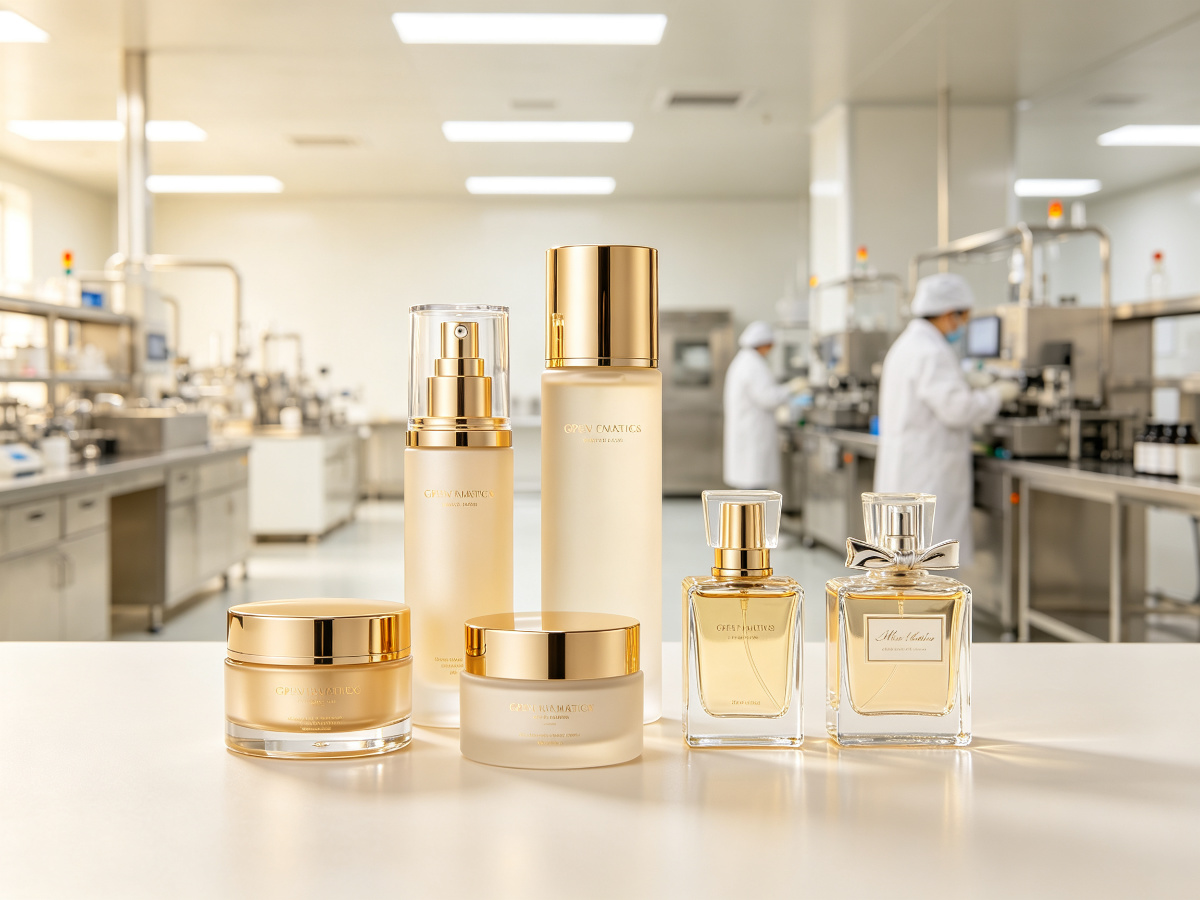
Why the Right White Label Supplier Matters for Ecommerce Success
Ecommerce moves fast. Customer reviews can make or break your brand overnight. A single batch of unstable emulsion or a leaking perfume bottle can lead to a wave of 1-star reviews. The top white label cosmetics supplier for ecommerce understands this and prioritizes consistency, packaging integrity, and regulatory compliance. Unlike traditional retail, ecommerce brands often need lower minimum order quantities (MOQs), faster turnaround for trending products, and suppliers who are well-versed in direct-to-consumer (DTC) logistics.
At Home, we at mmoem specialize in helping ecommerce entrepreneurs navigate these challenges. We offer private label and ODM services for perfume, skincare, makeup, and personal care, with a focus on low-MOQ strategies that help new brands launch without excessive inventory risk.
Key Factors to Evaluate in a White Label Cosmetics Supplier
Not all manufacturers are created equal. When vetting potential partners, consider these critical factors:
1. Certifications and Compliance
Your supplier must hold ISO 22716 (Good Manufacturing Practices for cosmetics) and GMP certification. For the US market, FDA registration is essential. For Europe, you need a Responsible Person and compliance with EU Regulation 1223/2009. Ask for certificates and verify them independently. A supplier that hesitates to share these documents is a red flag.
2. MOQ Flexibility
One of the most common questions from new brands is: 化妆品OEM代工起订量多少 (What is the MOQ for cosmetics OEM?). Traditional factories may demand 10,000 units per SKU. However, the top white label cosmetics supplier for ecommerce often offers MOQs as low as 500–1,000 units for skincare and 1,000–3,000 units for color cosmetics. Perfume MOQs can range from 1,000 to 5,000 bottles depending on the packaging. mmoem, for example, provides flexible MOQs to support small-batch launches and market testing.
3. R&D and Customization Capabilities
Do you need a unique formula or just a stock base with your branding? If you require custom development, your supplier must have an in-house R&D team. Many buyers ask: 化妆品OEM厂家有研发能力吗?2026年全球买家深度评估指南 (Do cosmetics OEM manufacturers have R&D capabilities? 2026 global buyer assessment guide). You can find a detailed evaluation in our Knowledge Center. A strong R&D team can adjust textures, fragrances, and active ingredients to meet your specific brief.
4. Lead Times and Production Capacity
Standard lead times for white label cosmetics are 30–45 days after sample approval, plus 15–30 days for packaging procurement. During peak seasons (e.g., Q4), lead times can extend. The top suppliers communicate proactively about capacity and offer realistic timelines. If a supplier promises 15-day turnaround for a custom formula, be skeptical.
5. Quality Control and Testing
How do you ensure that 化妆品ODM定制如何保证质量 (How does cosmetics ODM customization ensure quality)? Look for suppliers with in-house QC labs, stability testing, microbiological testing, and challenge tests. They should also provide certificates of analysis (CoA) for each batch. Third-party testing (e.g., SGS, Intertek) is a plus.
6. Packaging and Filling Capabilities
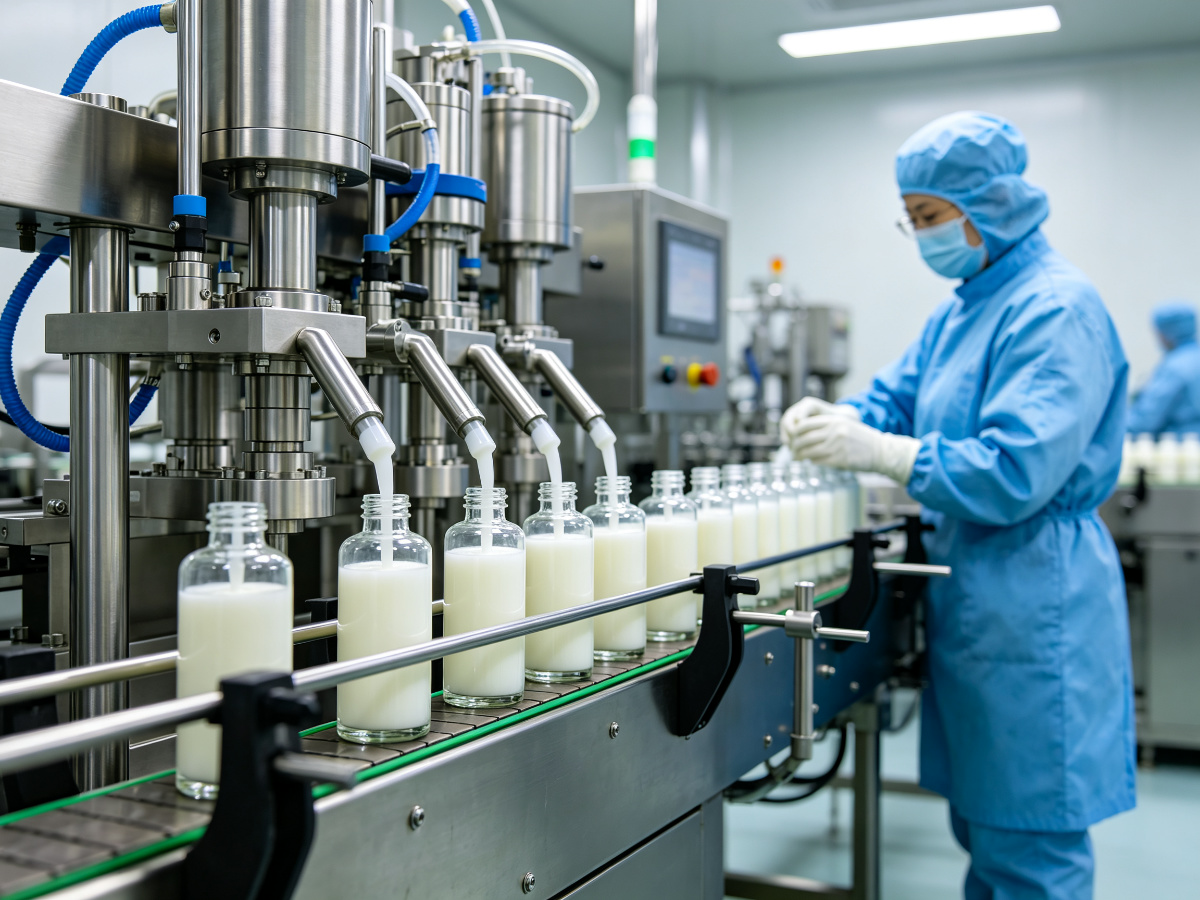
Ecommerce-friendly packaging is crucial. Your supplier should offer airless pumps, droppers, and leak-proof seals. For perfume, they need expertise in crimping, crimpless systems, and glass bottle sourcing. A supplier with in-house filling and assembly lines reduces the risk of contamination and delays.
How to Choose the Top White Label Cosmetics Supplier for Ecommerce
With hundreds of suppliers claiming to be the best, how do you separate the top white label cosmetics supplier for ecommerce from the rest? Follow this step-by-step approach:
- Define Your Product Brief: Before contacting suppliers, outline your product category, target price point, desired ingredients, and packaging. This helps you get accurate quotes and timelines.
- Request Samples and References: Ask for samples of similar products they have produced. Check for texture, scent, and stability. Request references from existing ecommerce clients.
- Conduct a Factory Audit: If possible, visit the factory or hire a third-party auditor. Look for clean rooms, organized production lines, and proper storage of raw materials.
- Evaluate Communication: A top supplier responds within 24 hours, provides clear documentation, and asks insightful questions about your brand.
- Negotiate MOQs and Payment Terms: Discuss MOQs, tooling costs, and payment schedules. Be wary of suppliers who demand 100% upfront payment.
- Start with a Trial Order: Place a small trial order to test quality, communication, and delivery before committing to a large volume.
For brands exploring sourcing markets, consider reading Southeast Asia and Taiwan: Key Sourcing markets for cosmetic OEM in 2026. This can help you diversify your supply chain.
Common Mistakes When Selecting a White Label Cosmetics Supplier
Many ecommerce brands make avoidable errors during supplier selection. Here are the most common pitfalls:
- Focusing Only on Price: The cheapest supplier often cuts corners on ingredients or quality control. Remember, your brand reputation is on the line.
- Ignoring MOQ and Lead Time Realities: Assuming you can get 100 units of a custom formula with 10-day delivery is unrealistic. Plan for realistic MOQs and lead times.
- Overlooking Regulatory Compliance: Selling a product that doesn't meet FDA or EU regulations can lead to fines, recalls, and platform bans.
- Not Asking About R&D: If you want a unique product, you need a supplier with real R&D capabilities. Don't assume every factory has a lab.
- Skipping the Contract: Always have a written contract covering quality standards, delivery dates, and penalties for non-compliance.
Questions to Ask Potential Suppliers
When interviewing suppliers, ask these questions to uncover their true capabilities:
| Question | Why It Matters |
|---|---|
| What certifications do you hold? (ISO 22716, GMP, FDA) | Ensures basic quality and regulatory compliance. |
| What is your MOQ for [your product category]? | Determines if you can afford to launch without overstocking. |
| Can you provide a sample before mass production? | Allows you to verify quality and consistency. |
| What is your typical lead time for a repeat order? | Helps you plan inventory and marketing campaigns. |
| Do you have in-house R&D? Can you customize formulas? | Critical if you want a unique product, not just a stock formula. |
| How do you handle quality issues or recalls? | Reveals their commitment to after-sales support. |
| What are your payment terms? | Protects your cash flow and reduces risk. |
For a deeper dive into ODM collaboration, see our guide on 化妆品ODM定制需要多久?2026年全球买家全流程时间指南 (How long does cosmetics ODM customization take? 2026 global buyer full-process timeline guide). Understanding the timeline helps you set realistic launch dates.
Low-MOQ Strategies for Launching a Cosmetics Brand
If you're a startup or small brand, high MOQs can be a barrier. Here are strategies to work with a top white label cosmetics supplier for ecommerce without breaking the bank:
- Choose Stock Formulas: Many suppliers offer stock bases that you can brand with your own label. This eliminates R&D costs and reduces MOQs.
- Use Universal Packaging: Instead of custom molds, use existing packaging options. You can still add your logo via labeling or screen printing.
- Negotiate Tiered Pricing: Some suppliers offer lower MOQs at a higher per-unit cost. This can be a good trade-off for market testing.
- Partner with a Flexible Manufacturer: Look for suppliers like mmoem that specialize in low-MOQ private label. We help brands start with as few as 500 units for skincare.
- Bundle Products: If you have multiple SKUs, consider bundling them to meet MOQs.
For more insights on product trends that are driving ecommerce sales, read 2026 Autumn Skincare Trends: PDRN and Calming Formulas for OEM Brands. Aligning with trends can boost your launch success.
Conclusion: Your Partner for Ecommerce Beauty Success
Selecting the top white label cosmetics supplier for ecommerce is a journey of due diligence, clear communication, and strategic planning. By focusing on certifications, MOQ flexibility, R&D capabilities, and quality control, you can avoid costly mistakes and build a brand that customers trust. Remember to ask the right questions, start with a trial order, and partner with a manufacturer that understands the unique demands of ecommerce.
At mmoem, we are committed to being that partner. With ISO 22716 and GMP certifications, low MOQs, and a dedicated R&D team, we help global brand owners bring their vision to life. Whether you need perfume, skincare, makeup, or personal care products, our team is ready to support your journey. Visit our Knowledge Center for more guides, or Contact Us today to discuss your project. Let's build your ecommerce beauty brand together in 2026.
For product catalog, quotation, or sampling, please contact us
Contact: SIGE
Email: 27005046@qq.com
WhatsApp / WeChat: +86 15622220825
Website: www.mmoem.com | Main site: www.8OEM.com