Private Label Cosmetics Manufacturer: The Complete B2B Sourcing Guide
Launching your own beauty brand is an exciting venture, but your success hinges on one critical decision: selecting the right Private Label Cosmetics Manufacturer. Whether you are a startup founder or an established retailer expanding into skincare, the factory you partner with determines your product quality, profit margins, and brand reputation. This guide will walk you through every step of the vetting process, from understanding MOQs to verifying certifications. We will also share insider tips on how to negotiate with a Cosmetic OEM ODM Manufacturer China to get the best value without sacrificing quality.
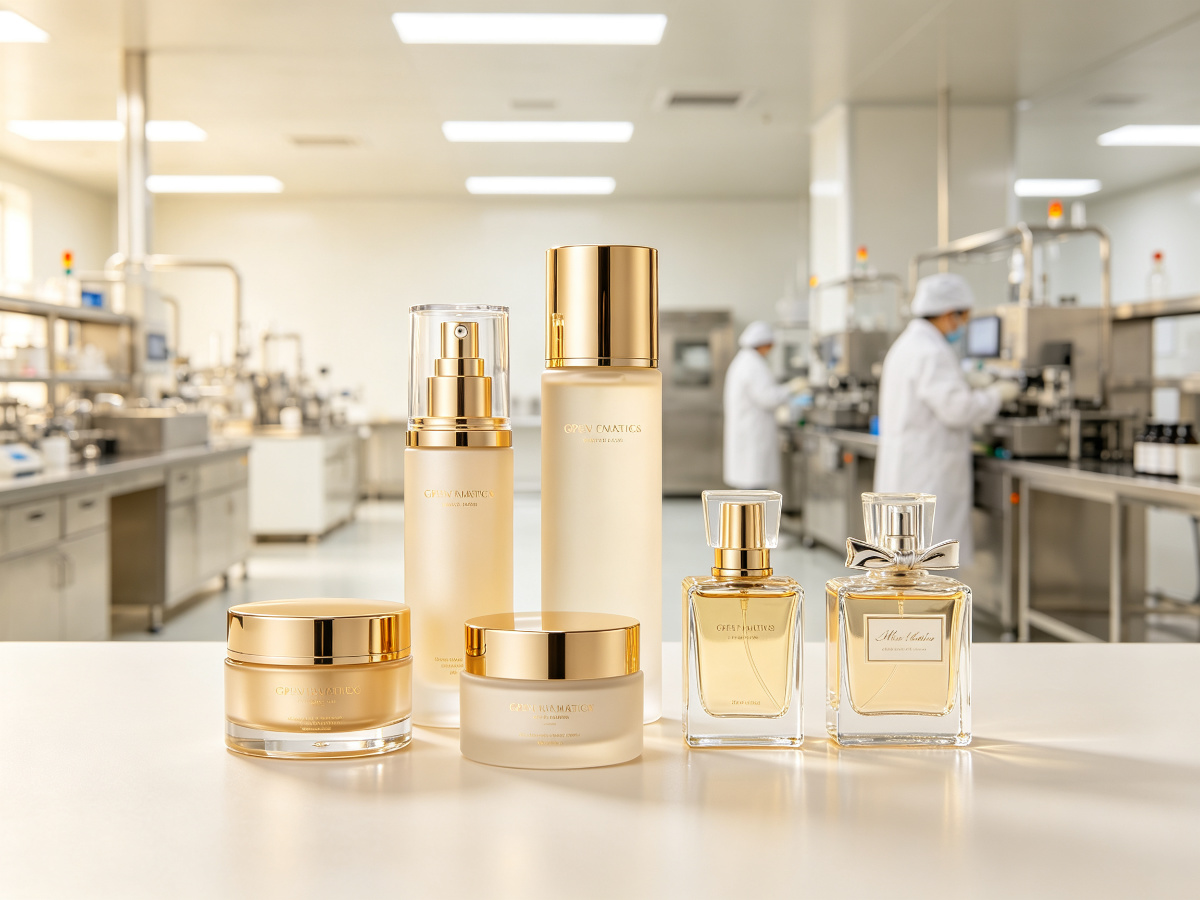
Understanding the Difference: OEM vs. ODM vs. Private Label
Before you start contacting factories, you must understand the three primary manufacturing models. A Private Label Cosmetics Manufacturer typically offers all three, but the cost and customization levels differ significantly.
- Private Label (Stock Formulas): You choose an existing formula from the manufacturer's catalog. You only customize the packaging, color, and fragrance. This is the fastest and most affordable way to launch.
- OEM (Original Equipment Manufacturing): You provide your own formula or a competitor’s product to replicate. The factory manufactures it to your exact specifications. This requires you to own the IP.
- ODM (Original Design Manufacturing): The manufacturer develops a unique formula exclusively for you based on your brief. This is the best route for creating a signature product that stands out.
At mmoem, we specialize in both OEM and ODM, but we often advise new brands to start with private label to test the market before investing in custom R&D.
Key Factors to Evaluate in a Private Label Skincare Manufacturer
Not all factories are created equal. When evaluating a potential partner, you need to look beyond the glossy sales pitch. Here are the non-negotiable factors to assess.
1. Certifications and Compliance (GMP, ISO 22716)
Your products will be sold globally, so your manufacturer must comply with international standards. At minimum, they should hold ISO 22716 (Cosmetics Good Manufacturing Practices) and local GMP certifications. If you plan to sell in the US, ask if they are FDA-registered. A reputable Skincare Manufacturer China will openly share these certificates. Do not accept verbal claims—ask for PDF copies and verify them online.
2. Minimum Order Quantities (MOQ)
Traditional factories require MOQs of 3,000 to 10,000 units per SKU, which is prohibitive for startups. However, the industry is shifting. Many modern manufacturers, including Low MOQ Cosmetics Manufacturer China partners, now offer flexible MOQs starting at 500 to 1,000 pieces for stock formulas. Custom formulations (ODM) will always have higher MOQs due to raw material procurement costs. Define your budget and cash flow before you start negotiating.
3. Lead Times and Production Capacity
Ask for a detailed production timeline. A standard private label order typically takes 25-35 days after sample approval. Custom formulations can take 60-90 days. Factor in shipping time (sea freight from China takes 30-40 days to the US). Ensure the factory has the capacity to scale with you. If you launch a viral product, can they double your order volume within two weeks?
4. R&D Capabilities and Custom Cosmetic Formulation Manufacturer Expertise
If you are looking for a Custom Cosmetic Formulation Manufacturer, you need a factory with an in-house lab. Ask about their chemists' experience, their ability to source rare active ingredients, and whether they can create preservative-free or vegan formulas. The best manufacturers will have a library of 500+ proven formulas and the ability to tweak them for your target market.
China vs. Other Manufacturing Hubs: Why China Dominates
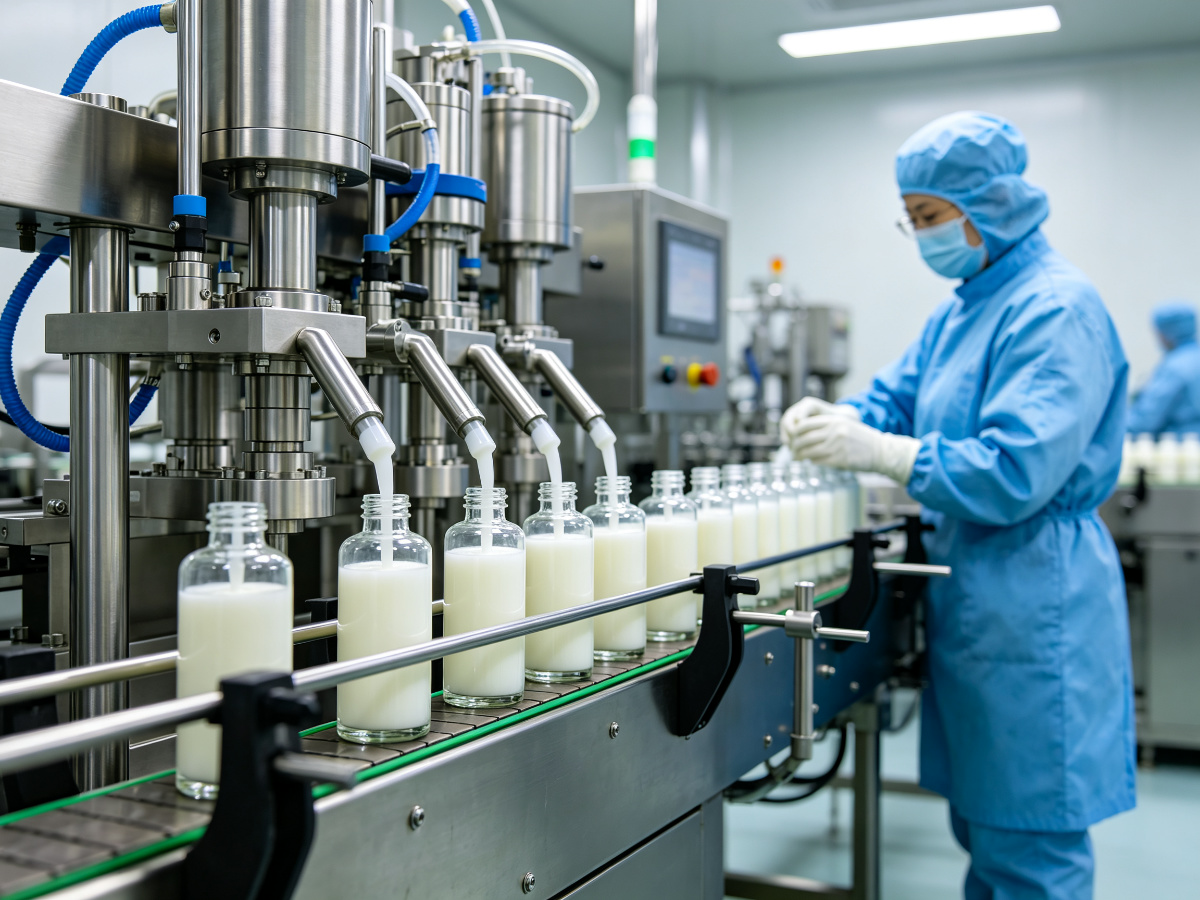
While you can find manufacturers in the US, Europe, and Korea, China remains the global hub for cosmetics production. A Cosmetics OEM Manufacturer China offers unmatched advantages in cost, scale, and supply chain speed. For example, the same glass serum bottle that costs $1.20 in Korea might cost $0.45 in Guangzhou, China. However, you must be diligent about quality control. Always request pre-shipment inspections from third-party agencies like SGS or Bureau Veritas.
Common Mistakes When Choosing a Manufacturer
After working with hundreds of brand owners, we see the same pitfalls repeatedly. Avoid these at all costs:
- Choosing on Price Alone: The cheapest quote often means diluted ingredients or thin packaging. If the price is 30% lower than the market average, something is wrong.
- Skipping the Sample Phase: Never order bulk based on a video call. Request physical samples. Test them for 2 weeks. Apply them daily to check for irritation, color shift, and scent longevity.
- Ignoring the Fine Print: Read the contract carefully. Look for hidden fees for labeling, artwork adjustments, or storage. Clarify who owns the formula IP after production ends.
- Not Testing the Packaging: A beautiful pump that breaks after 10 uses will kill your brand. Ask for packaging drop tests and compatibility tests (does the lotion react with the plastic?).
10 Critical Questions to Ask Your Private Label Cosmetics Manufacturer
Before you sign a contract, schedule a call with the factory manager and ask these specific questions:
| Question | Why It Matters |
|---|---|
| 1. What is your exact MOQ for stock and custom formulas? | Determines your startup capital needs. |
| 2. Can you provide a certificate of analysis (CoA) for every batch? | Ensures consistency and safety. |
| 3. What is your defect rate tolerance? | Industry standard is 1-2%. Anything higher is a red flag. |
| 4. Can you handle FDA facility registration for the US market? | Saves you time and legal hassle. |
| 5. Do you offer formulation tweaks (e.g., fragrance-free, color adjustments)? | Allows you to differentiate without full custom R&D. |
| 6. What is your current production lead time? | Helps you plan inventory and launch dates. |
| 7. Do you use third-party labs for stability testing? | Ensures your product won't separate or spoil. |
| 8. Can you source organic or COSMOS-certified ingredients? | Critical for clean beauty brands. |
| 9. What is your policy on formula IP ownership? | Prevents the factory from selling your exclusive formula to competitors. |
| 10. Can you provide references from brands in my category? | Verifies your experience with similar products (e.g., serums vs. lipsticks). |
How to Calculate the Real Cost of Production
When you receive a quote from a Private Label Skincare Manufacturer, it will typically list the ex-works (EXW) price per unit. But your true landed cost includes:
- Raw material costs (included in EXW).
- Packaging (outer cartons, labels, inserts).
- Tooling or mold fees (if custom bottle shape).
- Artwork and plate charges.
- Shipping (FOB, CIF, or DDP terms).
- Customs duties (typically 2-5% on cosmetics in the US).
- Third-party quality inspection.
Always ask for a full breakdown. A transparent Private Label Cosmetics Manufacturer will provide this without hesitation. At mmoem, we provide a detailed quotation sheet that splits manufacturing, packaging, and logistics costs so you can accurately calculate your margins.
Working with mmoem: A Case Study Approach
Let us illustrate how a typical partnership works with our factory. A US-based skincare startup came to us wanting a vitamin C serum. They had a budget of $15,000 for the first run. We offered them a stock formula with a Low MOQ Cosmetics Manufacturer China advantage of just 500 units to start. We customized the label design, selected a frosted glass bottle with a dropper, and adjusted the fragrance to be completely unscented. Within 30 days, they had samples. After approval, we produced 1,000 units in 25 days. The total landed cost per unit was $4.20, allowing them to retail at $38 with a healthy profit margin. This is the agility that modern brands need.
Conclusion: Your Next Steps to Launch
Choosing the right Private Label Cosmetics Manufacturer is a strategic partnership, not a transaction. You need a partner who can grow with you, adapt to market trends, and maintain stringent quality standards. Start by shortlisting three factories—including at least one Cosmetics OEM Manufacturer China—and request their catalogs and certification packs. Compare their MOQs, communication speed, and willingness to educate you. A factory that answers your questions thoroughly is a factory that will handle your production with care.
If you are ready to take the next step, explore our Knowledge Center for deeper insights into formulation and packaging. When you are ready to discuss your project, our team at mmoem is available to provide a free consultation and quote. Contact Us today to schedule a call. Your dream brand is closer than you think—start with the right Private Label Cosmetics Manufacturer and build your empire on a solid foundation.
Ready to Start Your mmoem Project?
Get a free quote within 24 hours. Low MOQ, global shipping, ISO 22716 certified.
Get Free Quote